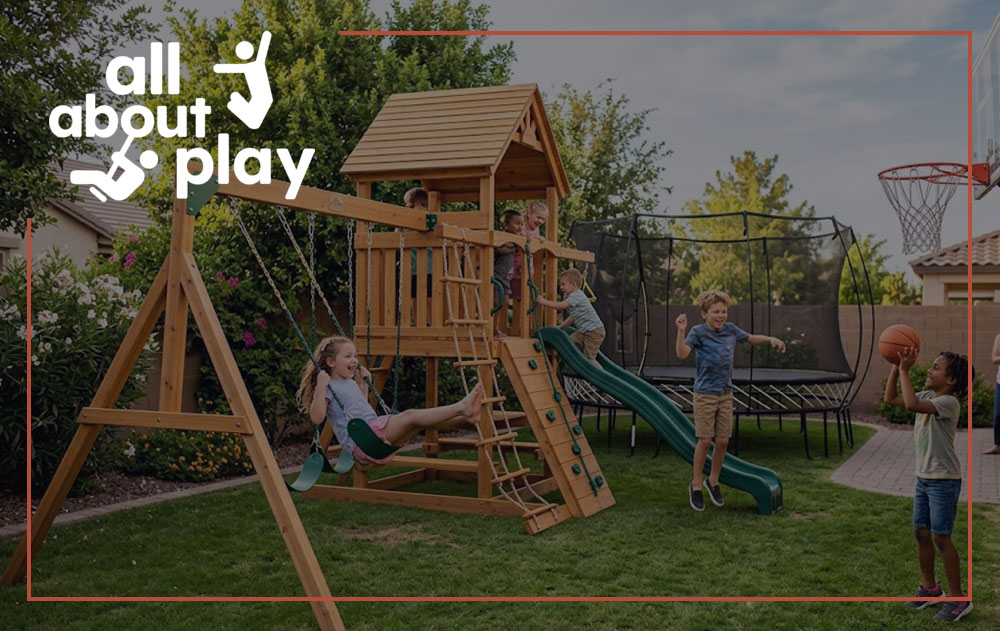
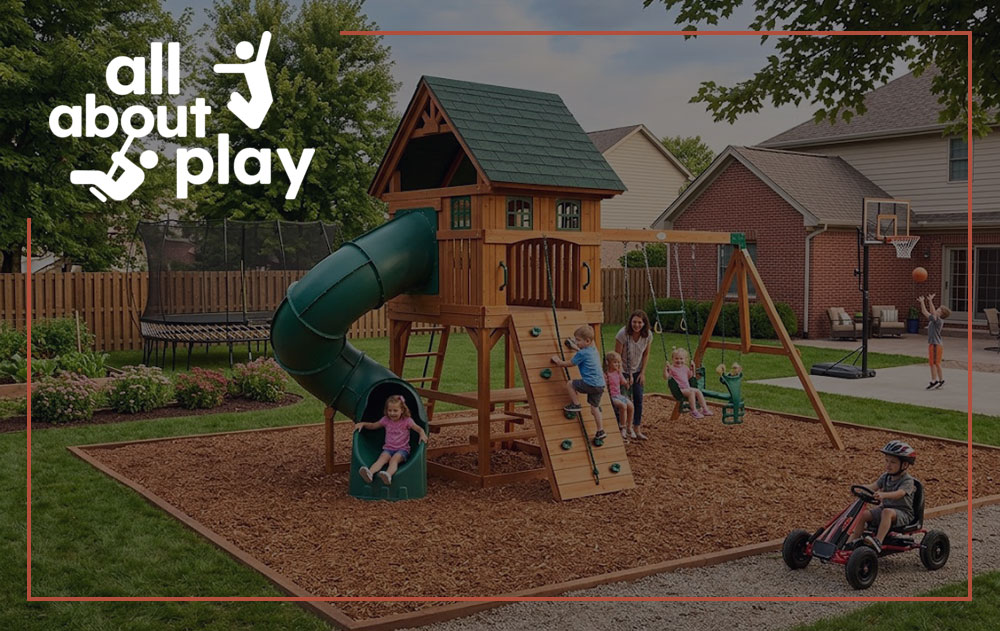
There’s something special about a backyard playground. No car rides, no crowded parks—just your kids, fresh air, and hours of outdoor fun right outside your door. Building one yourself is more achievable than most parents think, and the payoff is enormous.
This guide walks you through everything you need to know, from choosing a location and picking the right equipment to safety tips that keep the whole family protected. By the end, you’ll have a clear plan for turning your backyard into the neighborhood’s favorite hangout spot.
Step 1: Plan Your Space
Before you buy a single piece of equipment, take a good look at your yard. How much space do you have? Are there slopes, tree roots, or drainage issues to work around? These factors will shape every decision that follows.
A general rule of thumb: leave at least six feet of clear space on all sides of any structure, including swing sets and playsets. This gives kids room to jump off swings, tumble safely, and move without running into fences or garden beds.
Also think about sun exposure. In warmer climates—like Arizona—metal slides and plastic equipment can get extremely hot in direct afternoon sunlight. Positioning your playground under a shade tree or installing a canopy can make a big difference in how much your kids actually use it during summer months.
Step 2: Choose the Right Surface Material
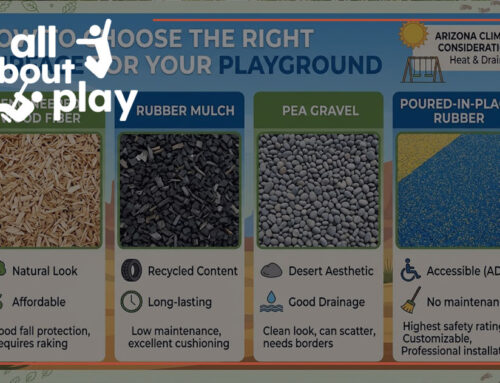
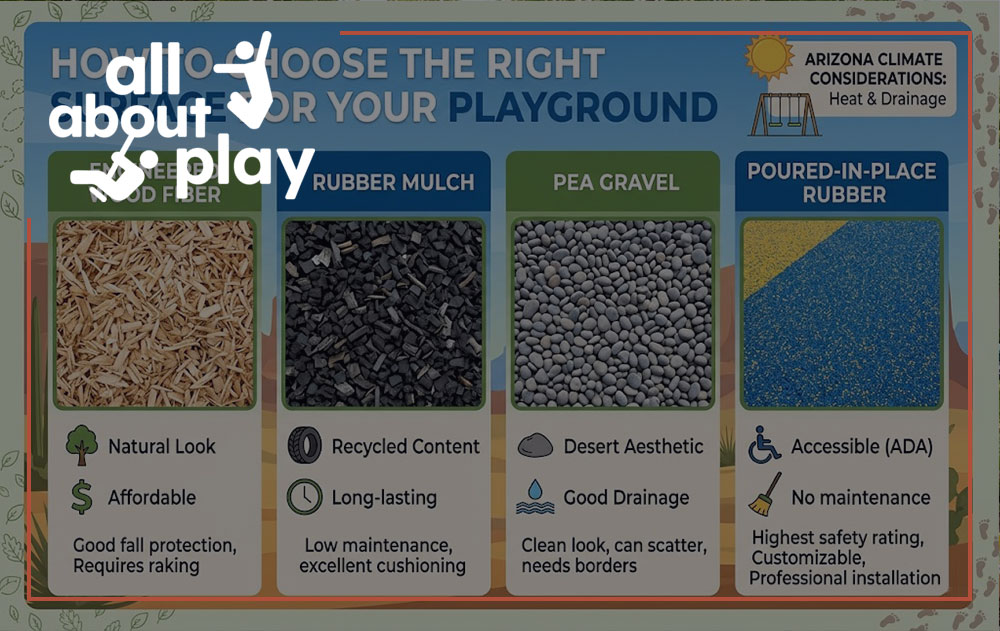
The ground beneath your playground matters just as much as the equipment above it. Hard-packed dirt or concrete is a serious injury risk. Instead, consider one of these safer options:
- Wood chips or mulch: Affordable, widely available, and effective at cushioning falls. Needs to be replenished over time.
- Rubber mulch: More durable than wood chips, doesn’t decompose, and provides excellent impact absorption.
- Pea gravel: Drains well and is easy to install, though it can scatter and may need periodic raking.
- Poured rubber or rubber tiles: The premium option. Low maintenance, consistent coverage, and great for kids with mobility needs.
The Consumer Product Safety Commission (CPSC) recommends a minimum depth of nine inches of loose-fill material for equipment up to eight feet high. Don’t skip this step—it’s one of the most important safety measures you can put in place.
Step 3: Pick Your Playground Equipment
This is where the fun begins. The equipment you choose should match the ages of your kids, the size of your yard, and your budget. Here are the most popular options:
Swing Sets
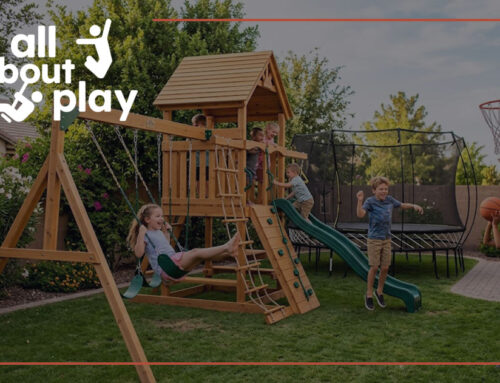
A classic swing set is a great starting point for any backyard playground. Kids of all ages love swings, and they can be dressed up with accessories like gliders, trapeze bars, and rope ladders as your children grow. When shopping for a swing set, prioritize cedar or redwood frames—they’re naturally rot-resistant and hold up far better than pressure-treated pine over the long term.
Playsets
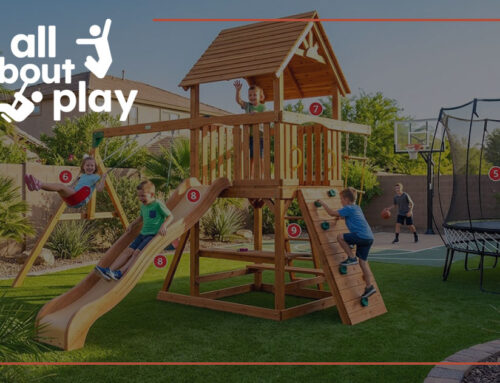
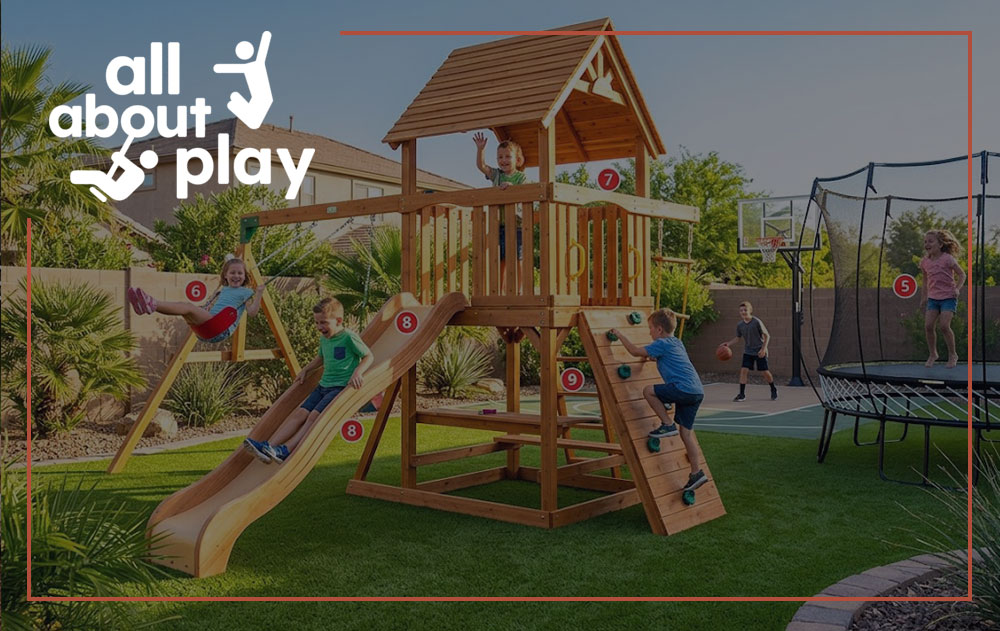
Playsets combine multiple play elements into one structure—think slides, climbing walls, monkey bars, and a fort or clubhouse. A quality playset gives kids a variety of ways to play and keeps them engaged for years. If you’re comparing playsets, look for thick lumber, sturdy hardware, and a design that can be expanded or customized as your family’s needs change.
Trampolines
Trampolines are an enduring backyard favorite. They encourage physical activity, improve coordination, and burn off a remarkable amount of energy. If you’re adding a trampoline to your setup, always opt for one with a full safety enclosure net and padded frame covers. In-ground trampolines are another option—they sit flush with the lawn, which reduces fall height and looks great in the yard.
Basketball Goals
For older kids and families that love sports, a portable basketball goal adds a whole new dimension to backyard play. Adjustable-height models work well for households with kids at different stages, and they can be moved around the yard or taken with you if you relocate.
Pedal Go-Karts
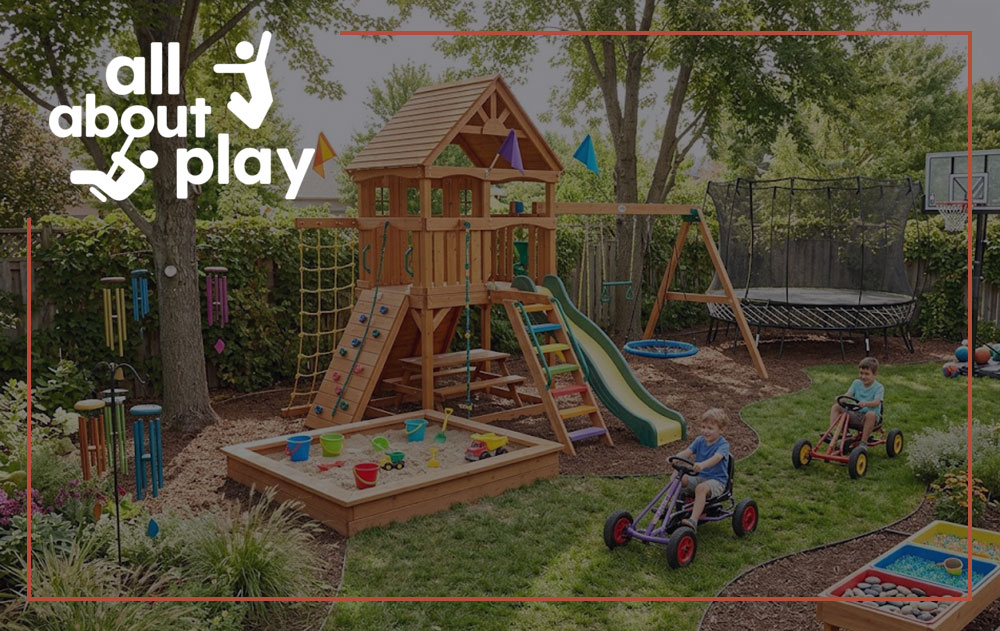
Pedal go-karts are a brilliant way to get younger children active and developing coordination. They require a bit more flat, open space than other equipment but are a huge hit with kids who love anything with wheels. Look for models with sturdy frames, rubber tires, and adjustable seats so they grow with your child.
Step 4: Build with Safety in Mind
Whether you’re assembling a flat-pack swing set or constructing something from scratch, safety must drive every decision. Here are the key principles to follow:
- Check hardware regularly. Bolts, screws, and S-hooks loosen over time with regular use. Do a quick inspection every few months and tighten anything that’s worked loose.
- Sand rough edges. Splintered wood and sharp metal edges are a hazard. Before kids use any new equipment, run your hands over every surface and sand down anything rough.
- Anchor structures properly. Swing sets and playsets need to be anchored securely to the ground. Many kits come with anchor stakes, but in sandy or loose soil, you may need to use concrete footings for stability.
- Follow age and weight guidelines. Every piece of playground equipment has recommended age ranges and weight limits. Respecting those limits keeps kids safe and extends the life of your equipment.
- Keep equipment well-maintained. Wood structures benefit from a fresh coat of sealant every year or two. Check for signs of rot, rust, or insect damage, especially after wet seasons.
Step 5: Add the Finishing Touches
Once the main equipment is in place, a few small additions can transform a basic playground into a genuine backyard destination.
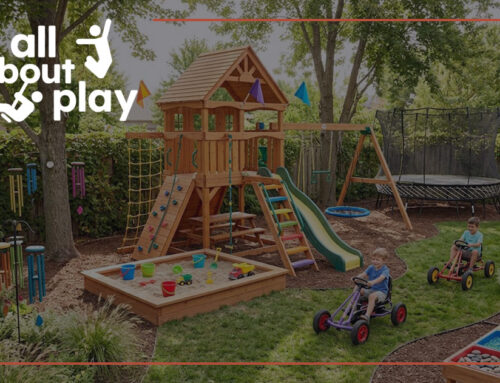
Consider adding a sandbox or water table near the play area for younger children. String lights overhead extend play time into the early evening. A chalkboard panel on the side of a playhouse adds a creative outlet. Even simple landscaping—a row of shrubs or a low fence—helps define the play zone and gives the whole space a more intentional, polished look.
Storage matters too. A small outdoor bin for balls, chalk, and sand toys keeps the area tidy and makes it easier for kids to independently access their things.
DIY vs. Pre-Built: Know When to Ask for Help
Building a DIY playground is rewarding, but it’s not always the right fit for every family. Complex multi-level playsets can take a full weekend or more to assemble, and assembly errors can create real safety risks. If the project feels overwhelming, there’s no shame in turning to the professionals.
At All About Playgrounds, we carry a wide range of high-quality playsets, swing sets, trampolines, basketball goals, and more. Our team provides free delivery and assembly on all playsets within the Phoenix metro area, and we offer free in-home consultations to help you find the perfect fit for your yard and your family. Contact All About Playgrounds today to get started, or visit our Mesa showroom to see our equipment in person.
Your Backyard, Their Adventure
A well-built backyard playground is one of the best investments you can make for your family. It encourages outdoor play, sparks creativity, and gives kids a safe space to build friendships and confidence—all from the comfort of home.
Take it one step at a time: measure your space, choose your surface, pick equipment that fits your kids and your budget, and build with safety at the forefront. Whether you go the full DIY route or bring in experts to handle the heavy lifting, the end result is a backyard your kids will want to spend every afternoon in.
Need help finding the right playset or swing set for your yard? Contact us at All About Playgrounds—we’re here to help you every step of the way.
Frequently Asked Questions
What is the best material for a DIY backyard playset?
Cedar is widely considered the best material for backyard playsets. It’s naturally resistant to rot, decay, and insects, and it doesn’t require harsh chemical treatments to maintain its durability. Cedar also stays dimensionally stable, meaning the boards are less likely to warp or cup over time.
How much space do I need for a backyard swing set?
Most swing sets require a flat area of at least 20 by 20 feet, with a six-foot safety buffer on all sides. Larger playsets with multiple features will need more room. Measuring your yard accurately before purchasing any equipment is essential.
How do I keep my backyard playground safe?
Regular maintenance is key. Inspect hardware every few months, check for rot or rust on wooden and metal components, ensure the surface material is at the right depth, and verify that all structures are securely anchored. Always follow manufacturer guidelines for age ranges and weight limits.
What playground equipment is best for young children?
For toddlers and younger children, look for low-to-the-ground equipment with gentle slides, bucket swings, and enclosed play spaces. Sandbox areas and water tables are also great additions for this age group. As kids grow, you can add more challenging features like climbing walls and monkey bars.
Can All About Playgrounds help me choose the right playset for my yard?
Absolutely. All About Playgrounds offers free in-home consultations across the Phoenix metro area. Our team will assess your space, discuss your family’s needs, and help you select a playset, swing set, or other equipment that’s a perfect fit. Contact All About Playgrounds to schedule your visit.

All About Play – Backyard Playground Equipment
7931 E Pecos RD #113,
Mesa, AZ 85212
623-986-7529 (PLAY)
[/fusion_text][/fusion_builder_column][/fusion_builder_row][/fusion_builder_container]