A backyard playground is one of the best investments you can make for your family. Kids get a safe place to run, climb, and burn energy—right outside your door. But like any outdoor structure, your playset needs regular attention to stay safe, functional, and looking its best.
The good news? Maintaining your playground doesn’t have to be complicated. With a few simple habits and seasonal check-ins, you can extend the life of your equipment by years. This guide walks you through everything you need to know—from monthly inspections to seasonal deep cleans—so your kids can keep playing safely all year long.
Whether you have a cedar swing set, a trampoline, a basketball goal, or a full playset setup, the principles are largely the same. Stay consistent, act on problems early, and you’ll protect both your investment and your children.
Why Regular Playground Maintenance Matters
It’s easy to set up a playset and assume it’ll take care of itself. Many families do just that—until something breaks, splinters, or rusts. The reality is that outdoor play equipment faces constant wear. Sun, rain, wind, and daily use all take a toll over time.
Regular maintenance prevents small issues from becoming expensive ones. A loose bolt, if caught early, takes seconds to tighten. Left unchecked, it can cause a fall. A small crack in a wooden beam can be sealed for a few dollars. Ignore it, and you may need to replace the entire structure.
Beyond cost, there’s the matter of safety. Children’s play equipment must meet certain standards to keep kids protected. Routine inspections ensure your playground continues to meet those standards season after season.
Monthly Maintenance Checklist
Once a month, take 15–20 minutes to walk through the following checks. You don’t need special tools for most of these—just your eyes and a basic wrench set.
Inspect All Hardware
Check every bolt, nut, and fastener on your swing set or playset. Hardware loosens over time due to temperature changes and repeated use. Tighten anything that moves or rattles. Replace any hardware that shows signs of rust or corrosion, as weakened metal can fail under pressure.
Check for Splinters and Cracks
Run your hand along wooden surfaces, railings, and platforms. Splinters aren’t just painful—they signal that wood is beginning to dry out or weather. Sand any rough patches smooth and apply a UV-protective wood sealant to slow further deterioration. Cedar playsets are naturally resistant to decay, but they still benefit from occasional sealing to maintain their finish.
Inspect Ropes, Chains, and Swings
Rope components fray, and chains wear at connection points. Look for kinks, breaks, or fraying on all ropes. Check swing seats for cracks, especially along the edges where children sit. Inspect the S-hooks and connectors that attach swings to the frame—these should be fully closed, with no gap wider than a coin.
Look at the Ground Beneath the Equipment
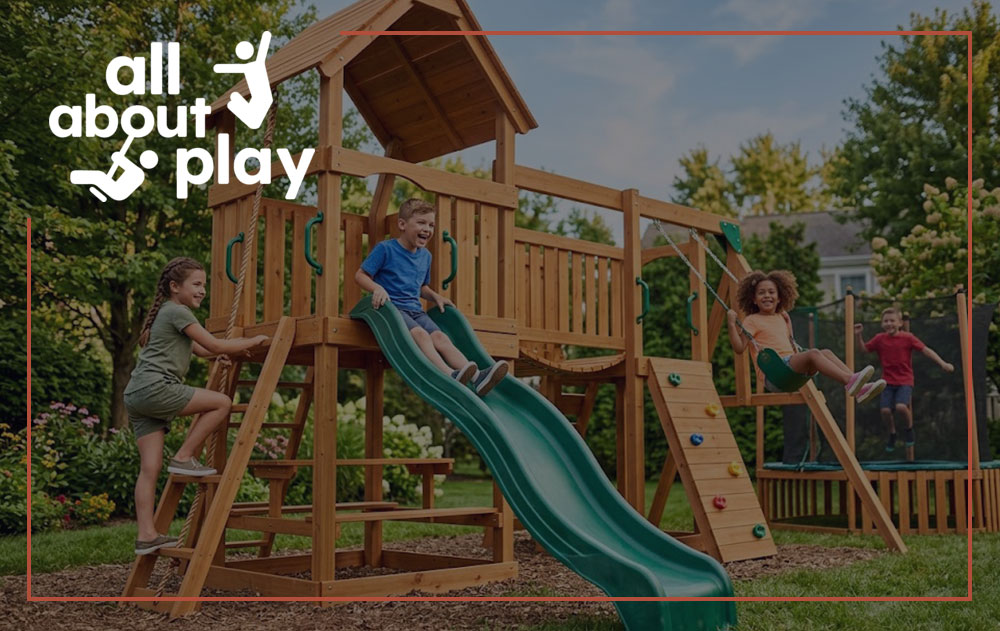
The surface under your playset is just as important as the structure itself. Playground safety standards recommend at least 9–12 inches of loose fill material—like wood chips, rubber mulch, or sand—beneath and around equipment with fall zones. Check that this material hasn’t compacted or been displaced, and replenish it as needed.
Check Trampolines and Basketball Goals
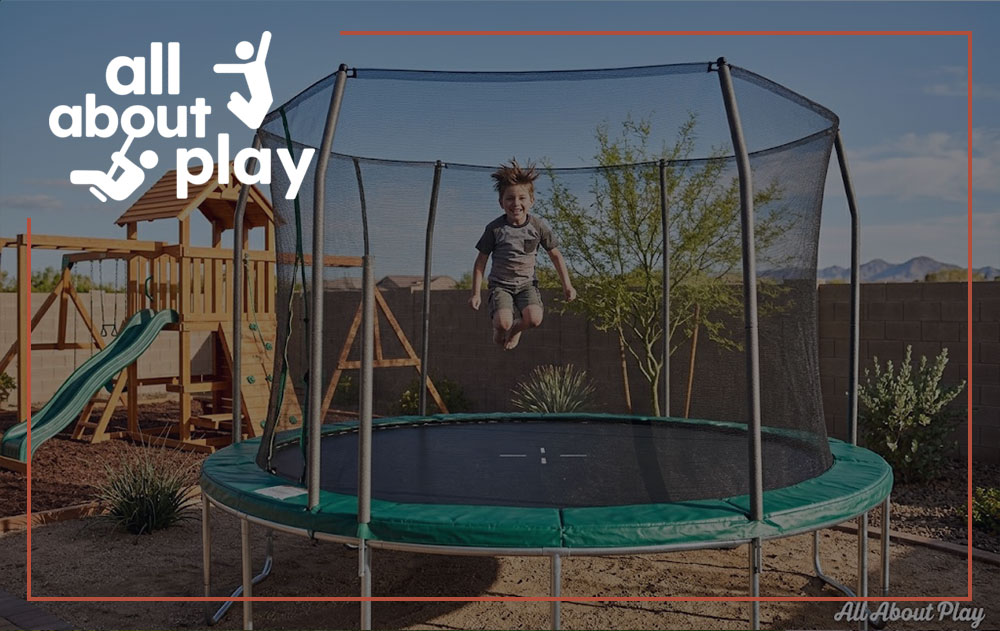
For trampolines, inspect the mat for holes or tears, check that the springs are evenly tensioned, and confirm the safety net is intact with no broken clips or poles. For basketball goals, check that the base is filled to the correct water or sand weight and that the backboard is secure on its pole.
Seasonal Playground Maintenance Guide
Seasonal changes bring specific challenges for outdoor playground equipment. Here’s how to approach maintenance at each point of the year.
Spring: The Deep Clean
Spring is the most important maintenance season. After winter, it’s time to give every piece of equipment a thorough once-over.
- Wash all surfaces. Use a mild soap and water solution to scrub down wooden and plastic components. This removes mold, mildew, and grime that can build up over cooler, wetter months.
- Re-seal or re-stain wood. If your swing set or playset is made of cedar or another wood, spring is the right time to apply a fresh coat of sealant or stain. This protects against UV damage and moisture throughout the warmer months.
- Check for winter damage. Frost and freeze-thaw cycles can loosen fasteners and crack wood. Inspect every joint and connection point carefully before letting children play.
- Refresh ground cover. Add fresh mulch or rubber fill beneath swing sets and playsets to restore the protective layer after winter compression.
Summer: Stay on Top of Heat and UV
In Arizona and other warm climates, summer sun is one of the biggest threats to outdoor play equipment. Intense UV exposure fades finishes, dries out wood, and degrades plastic components faster than in cooler regions.
- Check metal surfaces for heat retention. Metal slides and handrails can reach dangerously high temperatures on hot days. Consider shade solutions like canopies or sail shades to protect both the equipment and your children.
- Inspect plastic parts more frequently. UV radiation causes plastic to become brittle over time. Look for discoloration, hairline cracks, or warping on slides, steering wheels, and handles.
- Re-apply sealant mid-season if needed. In regions with intense sun exposure, one annual application may not be enough. Check whether the wood still repels water by splashing a small amount on it—if it soaks in immediately rather than beading, it’s time to re-seal.
Fall: Prepare for Cooler Weather
As temperatures drop, take the opportunity to perform a pre-winter inspection before the season makes outdoor maintenance less comfortable.
- Tighten all hardware. Temperature fluctuations cause metal to expand and contract, which can work fasteners loose. Do a full hardware check before cold weather sets in.
- Clear debris from the playset. Fallen leaves trap moisture against wooden surfaces, accelerating rot and mold growth. Remove leaves regularly and ensure water drains freely from platforms and ledges.
- Store or cover removable accessories. Fabric swings, foam accessories, and loose components should be stored indoors or covered to protect them from frost and moisture.
Winter: Protection and Reduced Use
In mild climates like Arizona, winter maintenance is less intensive. But it’s still worth checking in on your equipment during this quieter period.
- Inspect after heavy rain. Desert regions can experience sudden, heavy rainfall in winter months. After storms, inspect wooden components for water damage and ensure the base of your structure hasn’t shifted or settled unevenly.
- Keep the area clear. Remove standing water from around the base of the playset to prevent soil erosion and potential structural instability.
- Take stock of what needs replacing. Winter is a good time to identify worn parts—like frayed ropes or cracked plastic—so you can order replacements ahead of spring.
Caring for Cedar Playsets Specifically
Cedar is one of the best materials for outdoor playground equipment—and for good reason. It’s naturally resistant to decay and insects, dimensionally stable, and far more durable than pressure-treated pine. But “naturally resistant” doesn’t mean “maintenance-free.”
Cedar playsets benefit from annual staining or sealing to slow the natural graying process and prevent moisture from penetrating the grain. Left untreated, even cedar will eventually crack and splinter. Use a penetrating wood sealant rated for outdoor use—avoid surface coatings that peel and trap moisture underneath.
The good news for cedar owners: these structures typically require less frequent sealing than other wood types. An application every one to two years is usually sufficient, depending on your local climate and sun exposure.
When to Repair vs. Replace Equipment
Not every maintenance issue calls for a simple fix. Some situations warrant a replacement—either of a single component or the entire structure.
Replace individual parts when:
- A rope or chain shows significant wear or fraying
- A swing seat has cracks that go through the material
- Hardware is stripped, corroded, or no longer holds securely
- A single wooden beam or board shows deep rot or cracking
Consider replacing the full structure when:
- Multiple structural components show rot or damage
- The playset no longer meets current safety standards
- Repairs would cost more than 50% of a replacement
- Your children have outgrown the design and need a larger or more challenging playset
If you’re unsure which category your equipment falls into, it’s worth having an expert take a look.
Professional Maintenance and Service
Some maintenance tasks are straightforward enough for any homeowner. Others are better handled by professionals—especially when structural integrity is at stake.
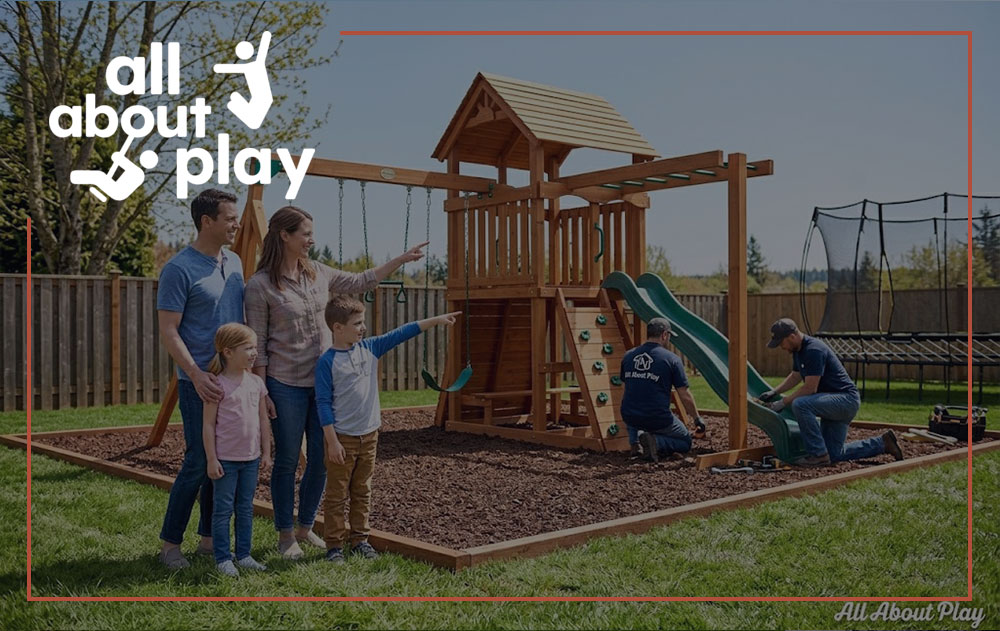
If your playset, swing set, or other equipment needs a professional assessment, All About Playgrounds provides maintenance and service for existing playsets throughout Arizona. Our team has the experience to identify issues that are easy to miss during a routine visual inspection, and we can advise on whether a repair or replacement makes more sense for your situation.
We also offer free at-home consultations for families looking to upgrade their current setup. If your existing playset is past its prime and your kids are ready for something new, our team can help you find the right fit for your backyard, budget, and family size.
Frequently Asked Questions
How often should I fully inspect my backyard playset?
A quick visual check every month is recommended, with a more thorough inspection at the start of each season. Spring is the most critical time—post-winter damage can compromise structural safety.
How do I know if my swing set needs to be replaced?
If you’re seeing widespread rot, corroded hardware that can’t be replaced, or significant structural instability, it’s likely time for a new swing set. An expert can help you assess whether repair or replacement is the better investment.
Do trampolines need the same level of maintenance as playsets?
Yes. Trampolines require regular inspection of the mat, springs, frame pads, and safety enclosure. Replace worn or missing components promptly—a damaged trampoline presents a serious safety risk.
Can I leave my playset outside year-round?
Most outdoor playsets are designed to withstand year-round exposure, particularly those made from cedar or weather-treated materials. However, ongoing maintenance is essential to preserve the structure’s integrity over time. In extreme climates, covering or partially sheltering the equipment in off-seasons can extend its lifespan.
What ground cover is best under a playset?
Wood chips, engineered wood fiber, rubber mulch, and sand are all commonly used. The key is maintaining adequate depth—typically 9–12 inches—and ensuring the material covers the full fall zone around the equipment.
Keep Your Kids Playing Safely All Year
A well-maintained backyard playground pays off in more ways than one. It keeps your children safe, extends the life of your equipment, and preserves the value of your investment. The effort required is minimal compared to the peace of mind it provides.
Start with a simple monthly habit: walk through your yard, check the hardware, look for wear, and replenish ground cover where needed. Build on that with seasonal deep cleans and targeted repairs. Consistency is what makes the difference between playground equipment that lasts a decade and one that deteriorates in a few years.
If your current setup needs professional attention—or if your kids are ready to upgrade to something bigger and better—the team at All About Playgrounds is here to help. We carry top-quality playsets, swing sets, trampolines, and basketball goals, and we provide free delivery and assembly throughout the Phoenix metro area. Contact All About Playgrounds today to schedule a free in-home consultation, or visit our Mesa showroom to see our full range of equipment in person.
Meta Data
Meta title
How to Maintain Your Backyard Playground Year-Round
Meta description
Keep your swing set, playset, and trampoline safe and looking great all year. Follow these expert maintenance tips from All About Playgrounds.