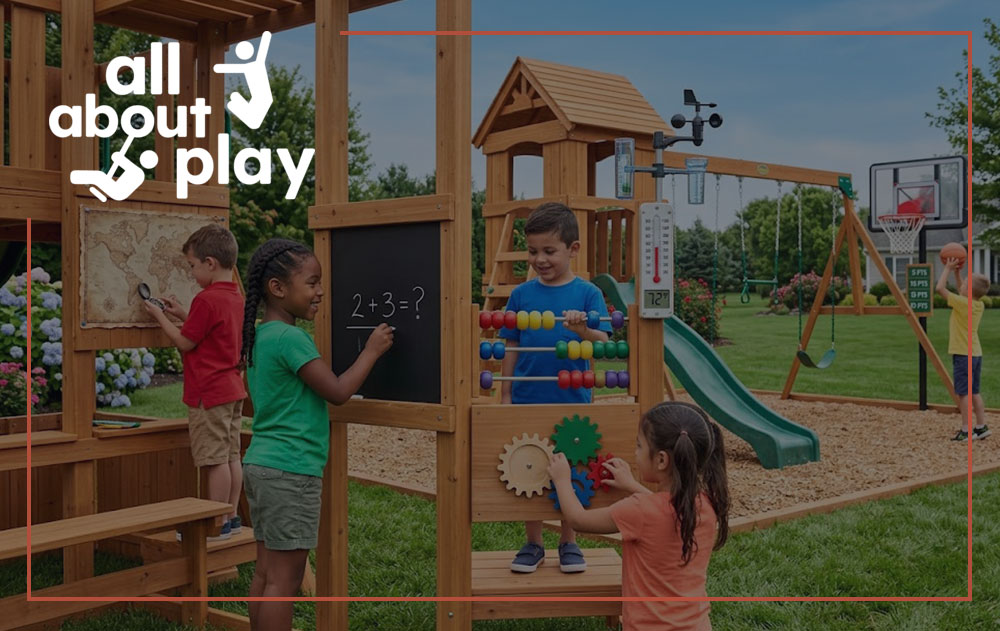
Most parents know that kids learn best when they’re having fun. But what does that actually look like in practice? It doesn’t require flashcards, structured lessons, or a dedicated classroom. Sometimes, all it takes is the right backyard setup and a little creativity.
Research consistently shows that play-based learning strengthens cognitive development, builds social skills, and supports physical health—all at the same time. A child climbing a playset is developing problem-solving skills. A kid shooting hoops at a basketball goal is building focus and coordination. A group of children bouncing on a trampoline together is learning the basics of physics, balance, and taking turns.
The good news? You don’t need to redesign your entire yard or invest in expensive tools. The right outdoor equipment, paired with a few simple strategies, can turn everyday playtime into a rich learning experience. Here’s how to make it happen.
Why Play-Based Learning Works
Children don’t separate play from learning—that’s an adult distinction. For kids, the two are naturally intertwined. When a child spins on a swing set and feels the wind change direction, they’re experiencing a real-world lesson in cause and effect. When they negotiate the rules of a backyard game, they’re practicing communication and conflict resolution.
Play-based learning works because it’s driven by curiosity. Kids engage more deeply with concepts they discover on their own, rather than those handed to them. Outdoor play, in particular, stimulates all the senses and creates lasting memories tied to knowledge—making that knowledge easier to recall later.
Turn Your Swing Set into a Science Classroom
A swing set is more than a source of fun—it’s a live demonstration of physics. Pendulum motion, momentum, gravity, and velocity are all on display every time a child pumps their legs and soars through the air.
Here are a few ways to build learning moments around your swing set:
- Introduce the concept of momentum. Ask your child what happens when they pump harder. Why do they slow down when they stop moving their legs? Simple questions like these spark scientific thinking.
- Count and compare. How many pushes does it take to reach a certain height? Counting and comparing results introduces basic math concepts in a completely natural setting.
- Explore patterns. Swings move back and forth in a consistent arc. Have your child notice that pattern and predict what happens next—this is the foundation of analytical thinking.
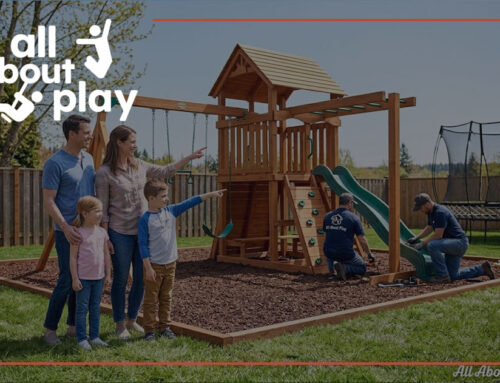
Multi-feature playsets take this even further. Climbing walls develop spatial reasoning. Slides introduce concepts like speed and friction. Monkey bars build sequential thinking as kids plan their next move.
Use Basketball Goals to Build Focus and Math Skills
A basketball goal in the backyard does more than keep kids active. With a little guidance, it becomes a tool for building concentration, counting, and strategic thinking.
- Score-keeping builds number sense. Whether kids are playing a formal game or just shooting around, encourage them to keep score. Tracking points, calculating differences, and setting targets all reinforce basic arithmetic.
- Set challenges that require problem-solving. How many shots can they make from a certain distance? What happens when they adjust their angle? These small experiments build a habit of testing and adjusting—a core skill in both science and everyday life.
- Team play develops social intelligence. Playing in groups teaches kids to communicate, collaborate, and manage both winning and losing gracefully. These emotional skills are just as important as academic ones.
Height-adjustable basketball goals are especially useful for growing kids. As the goal moves higher, so does the challenge—and so does the learning.
Trampolines: Movement, Rhythm, and Body Awareness
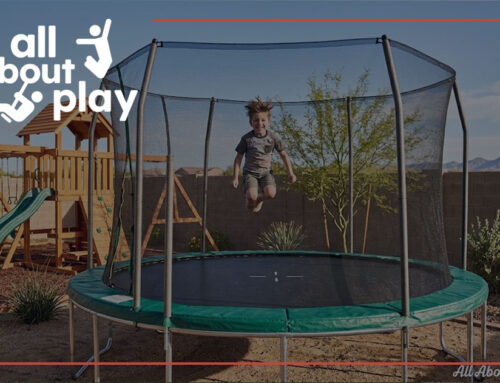
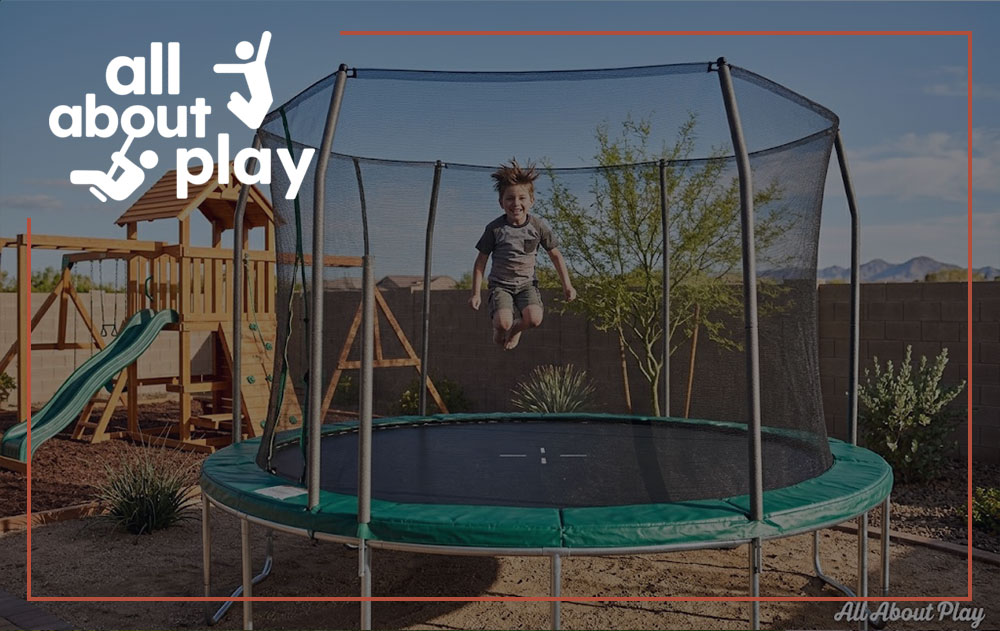
Trampolines are one of the most engaging pieces of outdoor equipment for children of all ages. Beyond the pure joy of bouncing, they offer a surprising range of developmental benefits.
- Body awareness and coordination. Learning to control height, direction, and landing builds proprioception—the body’s ability to sense its own position in space. This skill underpins handwriting, sports, and even reading.
- Rhythm and sequencing. Counting bounces, syncing jumps with a partner, or following a bounce pattern teaches children about rhythm and sequence—skills that transfer directly to music and language development.
- Physics in action. Trampolines offer a hands-on introduction to the concepts of energy transfer, elasticity, and Newton’s third law. You don’t need to name these concepts out loud—simply asking “what do you feel when you land?” gets children thinking about them naturally.
Safety matters here too. High-quality trampolines with proper nets and padding ensure that learning happens without unnecessary risk.
How Playsets Support Early Childhood Development
For younger children, playsets offer a particularly rich learning environment. Every element—from the steering wheel to the lookout tower—serves a developmental purpose.
Imaginative Play and Language Development
Playsets naturally invite role play. A child who turns the lookout tower into a castle, a spaceship, or a pirate ship is exercising their imagination and narrative skills. Storytelling during play builds vocabulary and helps children make sense of the world around them.
Fine and Gross Motor Development
Climbing, sliding, balancing, and swinging all develop gross motor skills—the large-muscle movements that underpin physical confidence. Meanwhile, gripping ladder rungs, turning steering wheels, and manipulating small components build fine motor control, which is directly linked to writing ability.
Social Learning
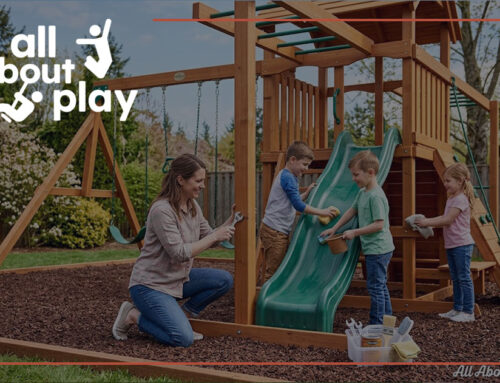
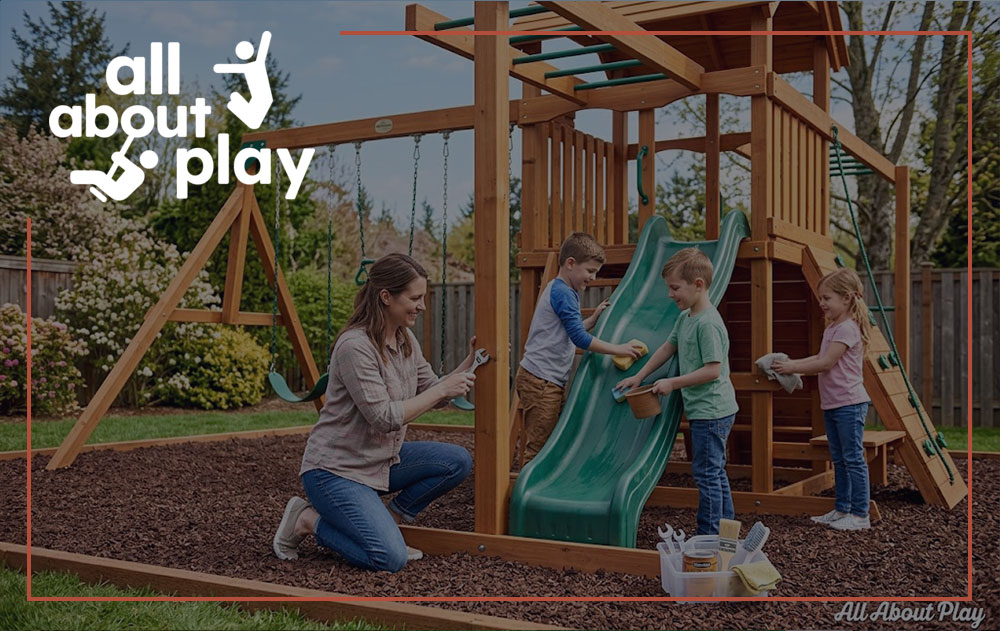
When multiple children play on a playset together, they constantly negotiate, take turns, and create shared rules. These interactions are among the most valuable learning experiences a child can have, laying the foundation for cooperation and empathy.
Simple Strategies to Make Any Outdoor Play More Educational
You don’t need to turn every play session into a lesson. In fact, the best approach is subtle—ask a good question, step back, and let curiosity take over. Here are a few easy strategies:
- Ask open-ended questions. “What do you think will happen if…?” and “Why do you think that works?” encourage children to think rather than just answer.
- Let them lead. Child-directed play produces the most engagement. When kids choose what to do and how to do it, they’re more invested and learn more deeply.
- Bring nature into the equation. Outdoor play offers constant exposure to weather, plants, insects, and light. Noticing these things together builds scientific curiosity organically.
- Make challenges, not rules. Instead of correcting how a child plays, offer a challenge. “Can you swing high enough to touch that branch?” is far more motivating than “swing higher.”
- Play alongside them. Children learn enormously from watching adults. Joining in—even briefly—models curiosity, persistence, and enthusiasm.
Choosing the Right Equipment to Support Learning Through Play
Not all outdoor play equipment is created equal. The richest learning environments offer variety, challenge, and room for imagination. When choosing playsets, swing sets, trampolines, or basketball goals for your backyard, think about:
- Age-appropriateness. Equipment that matches a child’s developmental stage keeps them engaged without frustrating them.
- Versatility. Playsets with multiple features—slides, climbing walls, swings, and lookout towers—offer more opportunities for exploration and creative play than single-function equipment.
- Durability and safety. Learning requires focus. Equipment that wobbles, splinters, or breaks quickly distracts from play and creates anxiety. High-quality, cedar-built playsets provide a stable, safe environment that kids can explore with confidence.
- Room to grow. Adjustable features like height-variable basketball goals or multi-level playset configurations grow with your child, offering new challenges as they develop.
Build a Backyard Learning Environment with All About Playgrounds
The backyard is one of the most underused learning environments available to families. With the right equipment, it becomes a place where children develop physically, intellectually, and socially—every single day.
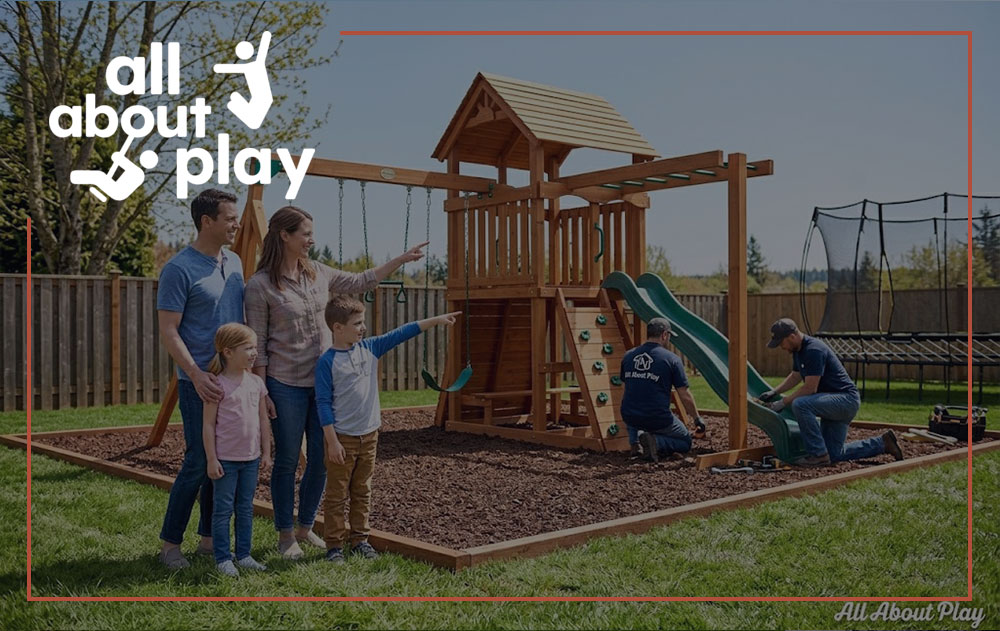
At All About Playgrounds, we specialize in helping Arizona families find the right outdoor play equipment for their kids and their space. Whether you’re looking for a multi-feature playset, a quality swing set, trampolines, basketball goals, or other outdoor play solutions, our team is here to help you make the best choice.
We offer free delivery and assembly throughout the Phoenix metro area, lifetime product warranties, and a price match guarantee—so you can invest in your child’s development with complete confidence. Ready to get started? Contact All About Playgrounds today to schedule your free in-home consultation, or visit our showroom in Mesa, AZ to see our full range of equipment in person.
Frequently Asked Questions
What age is best to start play-based learning?
Play-based learning is effective from infancy, but becomes especially impactful between the ages of 2 and 10. During these years, children are highly receptive to learning through exploration and physical activity.
How much outdoor playtime do children need each day?
The American Academy of Pediatrics recommends at least one hour of physical activity per day for children aged 3 to 5, and at least 60 minutes of moderate-to-vigorous activity daily for school-age children. Outdoor play is one of the easiest ways to meet this recommendation.
Can a playset really support academic development?
Yes. Research shows that outdoor play and physical activity improve concentration, memory, and classroom behavior. The skills children develop through play—problem-solving, sequencing, communication—directly support academic performance.
What type of playset is best for encouraging creative, educational play?
Multi-feature playsets with climbing structures, slides, swings, and interactive elements offer the richest play environments. They provide variety and challenge, giving children multiple ways to engage their imaginations and problem-solving skills.
How do I contact All About Playgrounds?
You can contact All About Playgrounds through our website, call us at 623-986-7529, or visit our showroom at 7931 E Pecos Rd #113, Mesa, AZ 85212. Our team is happy to help you find the right equipment for your family.