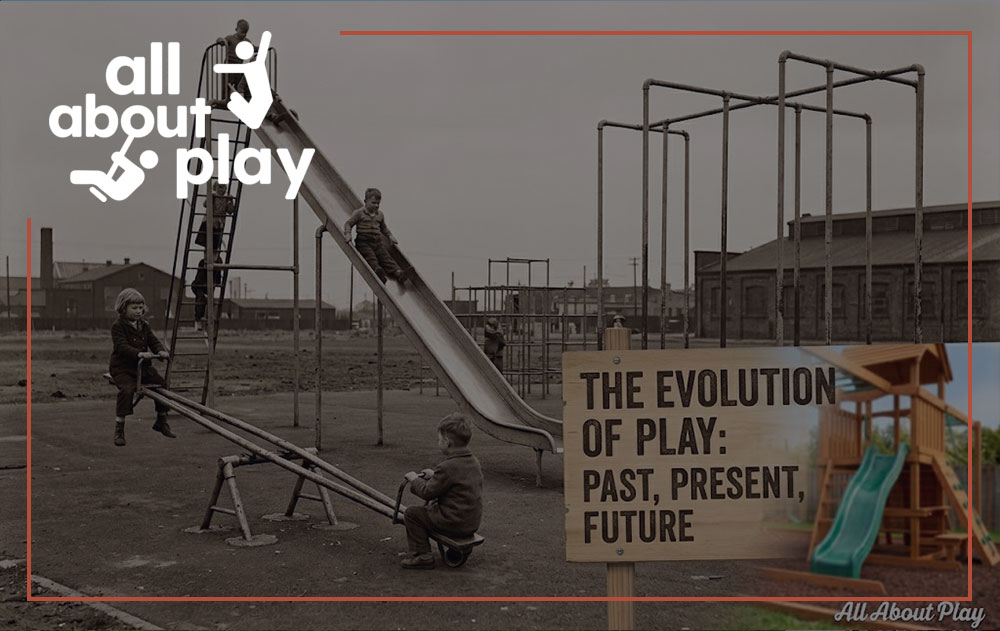
Think back to the playground of your childhood. Chances are, it looked nothing like the backyard playsets kids enjoy today. The spinning metal merry-go-round, the scalding hot slide, the rickety see-saw—these were staples of the 20th-century playground experience. Fun? Absolutely. Safe? Not always.
Over the past century, playground design has gone through a dramatic transformation. Safety standards, material innovation, and a deeper understanding of child development have all played a role in reshaping how children play. What was once a patch of asphalt with a few metal structures is now a thoughtfully designed space that supports physical, cognitive, and social growth.
This post takes a look at how playground design has evolved over the decades—and what that means for families looking to bring the playground experience home with a modern swing set or playset.
The Early Days: Metal, Asphalt, and a Whole Lot of Rust
The first public playgrounds appeared in the United States in the late 1800s, driven by urban reformers who believed children needed safe spaces to play outside. These early playgrounds were basic: wooden sandboxes, metal swings, and simple climbing frames.
By the mid-20th century, playgrounds had taken on a more industrial character. Steel and iron were the dominant materials. Structures were tall, rigid, and built for durability rather than comfort. The surfaces underneath? Usually concrete or packed dirt—neither of which did much to soften a fall.
This era produced iconic equipment that many adults still remember fondly: the tall metal slide that became unbearably hot in summer, the bare-metal monkey bars that demanded serious grip strength, and the spinning merry-go-round that seemed engineered to test the limits of dizziness. These pieces were bold, memorable, and a staple of shared childhood experience. They were also responsible for a considerable number of trips to the emergency room.
The Safety Revolution: 1980s to 2000s
By the 1980s, public awareness around playground injuries had grown significantly. The U.S. Consumer Product Safety Commission (CPSC) began publishing playground safety guidelines, and states started requiring impact-absorbing surfaces like wood chips, rubber mulch, and sand beneath play structures.
Metal gave way to plastic and treated wood. Equipment was redesigned to reduce fall heights, eliminate sharp edges, and prevent entrapment. The towering jungle gym was replaced by lower, more interconnected structures that encouraged imaginative play rather than just physical daring.
This period also saw the rise of themed playsets—structures designed to look like castles, ships, and treehouses. Play equipment was no longer just functional; it was designed to spark the imagination.
Modern Playground Design: Smarter, Safer, and More Fun
Today’s playgrounds bear little resemblance to the metal structures of the past. Modern design is guided by research in child development, strict safety standards, and a focus on creating spaces where children of all abilities can play together.
Better Materials
Cedar has become one of the most popular materials for residential playsets—and for good reason. Cedar is naturally resistant to decay and insects, which means it holds up well in outdoor conditions without requiring harsh chemical treatments. It’s dimensionally stable too, so boards stay flat and straight over time with minimal warping. A well-built cedar swing set doesn’t just look great in a backyard—it lasts for years.
Inclusive Design
Modern playgrounds increasingly prioritize accessibility. Equipment is designed so that children with different physical abilities can participate. Ramps replace ladders, sensory panels are added alongside climbing walls, and ground-level activities ensure no child is left out of the fun.
Modular and Customizable Structures
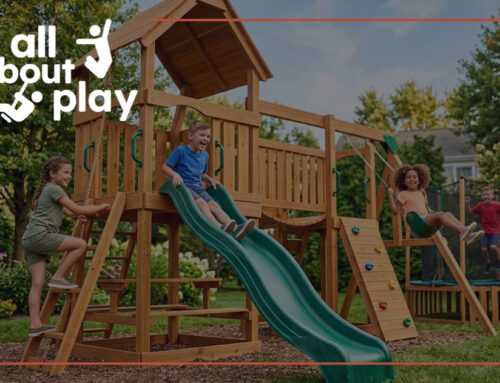
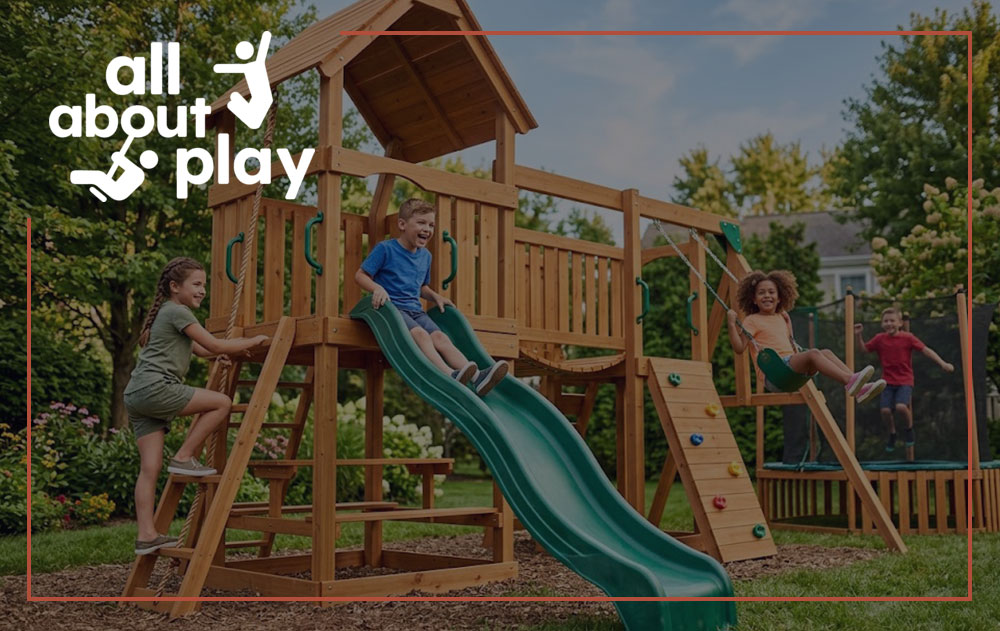
One of the biggest shifts in playground design is modularity. Today’s playsets can be configured and customized to suit the size of a yard, the ages of the children, and the preferences of the family. Want a rock wall, a rope ladder, a slide, and a covered deck? You can have all of it in a single structure. Families no longer have to choose between fun and functionality.
Backyard Play: Bringing the Playground Home
Perhaps the most significant evolution in playground culture isn’t about design at all—it’s about location. Increasingly, families are choosing to invest in high-quality backyard playsets that bring the excitement of the neighborhood playground into their own yards.
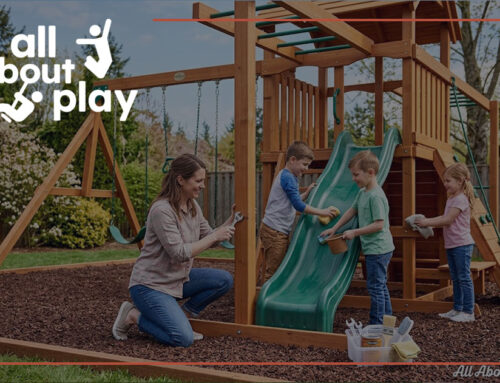
The appeal is easy to understand. A backyard swing set offers the spontaneity of outdoor play without the trip to the park. Parents can supervise more easily. Kids can play longer. And the equipment is chosen specifically for the children who will use it, rather than designed for the lowest common denominator.
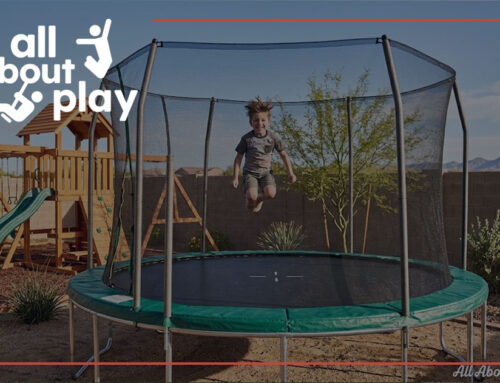
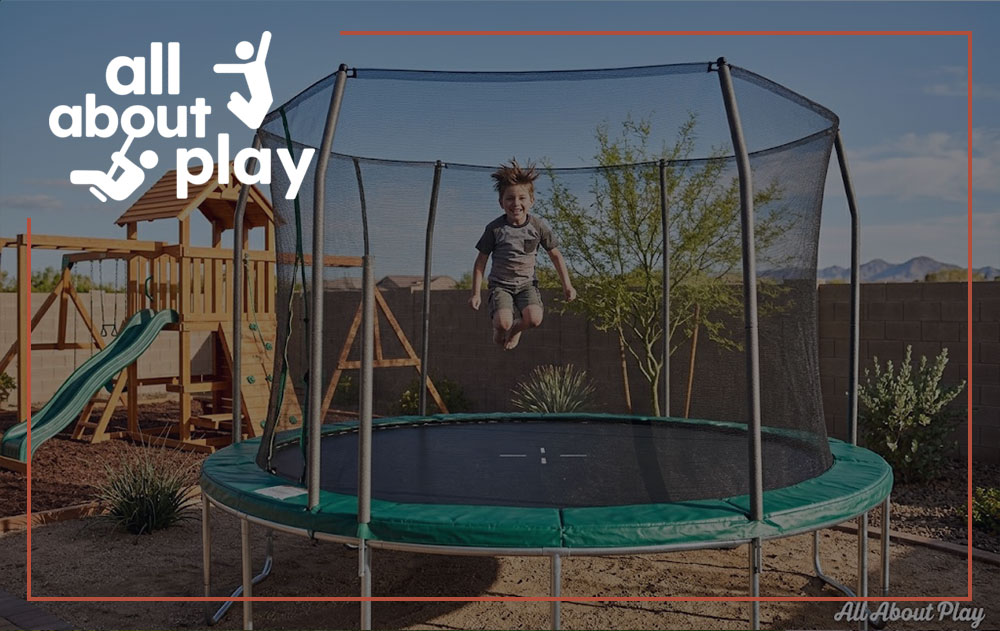
Modern backyard play equipment has expanded well beyond the classic swing set. Today, families can create a complete outdoor activity hub with trampolines for bouncing, basketball goals for shooting hoops, pedal go-karts for racing around the yard, and multi-feature playsets that combine slides, swings, climbing walls, and more.
What to Look for in a Modern Playset
If you’re considering adding a playset or swing set to your backyard, the range of options can feel overwhelming. Here are a few key factors to keep in mind:
- Material quality: Look for cedar or similarly durable, naturally treated wood. Avoid playsets made with materials that may warp, splinter, or require frequent chemical treatments.
- Age range: Different structures suit different age groups. A playset for toddlers looks very different from one designed for school-age children. Some modular designs grow with your kids.
- Safety certifications: Confirm that any equipment you purchase meets current CPSC or ASTM safety standards.
- Warranty: A long warranty is a strong indicator of build quality. It also gives you peace of mind that your investment is protected.
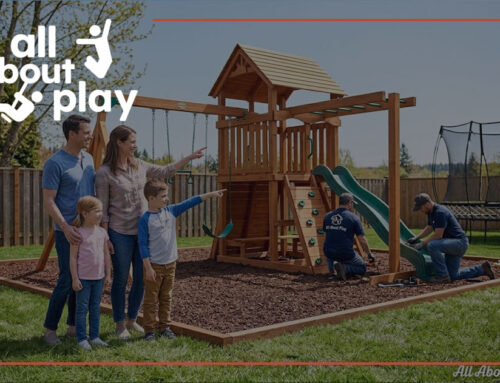
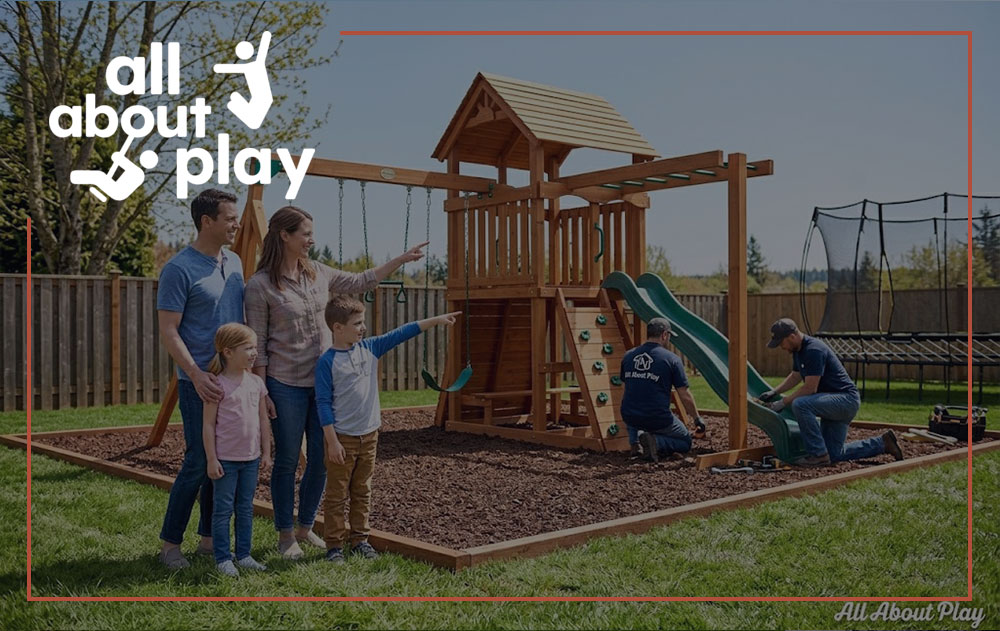
- Professional assembly: Even the best playset needs to be installed correctly. Professional assembly ensures that every component is secure and that the structure is safe from day one.
Ready to Build Your Backyard Playground?
Playground design has come a long way—from iron bars on asphalt to beautifully crafted cedar structures built with safety and imagination in mind. Today’s playsets are the result of decades of learning, testing, and refining. They’re built to last, designed to inspire, and engineered to keep kids safe while they explore.
At All About Playgrounds, we carry a wide range of high-quality playsets and swing sets to suit backyards and budgets of all sizes. From feature-packed swing sets to trampolines, basketball goals, and beyond, we help Arizona families create outdoor spaces their kids will love for years to come.
Not sure where to start? Contact All About Playgrounds to schedule a free in-home consultation. Our team will help you find the right playset for your yard, your kids, and your family—and we’ll handle delivery and assembly so you don’t have to lift a finger.